
Why the Pain Management Device Market Is Booming in the United States
Why the Pain Management Device Market Is Booming in the United States
The pain management device market in the United States is experiencing rapid and sustained growth, driven by rising chronic pain rates, the ongoing opioid crisis, and major advances in medical device technology. As healthcare shifts toward safer, non-pharmacological solutions, pain management devices are becoming a critical focus for manufacturers, clinicians, and research organizations alike.
For companies innovating in this space, understanding why the U.S. market is expanding, and how to navigate its scientific and regulatory complexity, is essential. At Axis Research and Technologies, we support pain management device developers with the research, testing, and data needed to bring effective non-opioid solutions to market.
The United States Has One of the Highest Rates of Chronic Pain
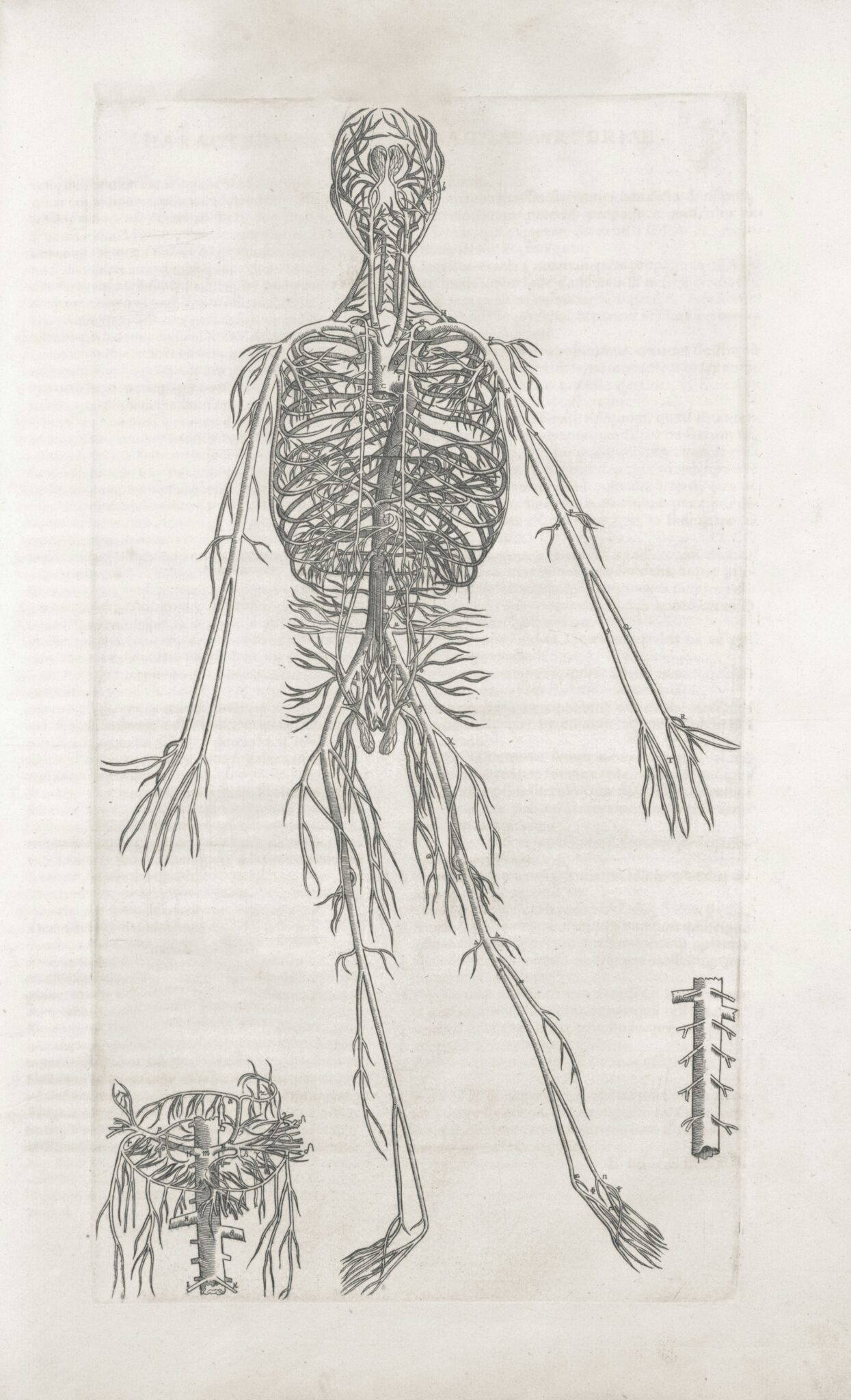
Chronic pain affects tens of millions of Americans, making it one of the most prevalent and costly health challenges in the country. Conditions such as lower back pain, arthritis, neuropathy, migraines, post-surgical pain, and musculoskeletal disorders are widespread across age groups.
Several U.S.-specific factors contribute to this high prevalence:
- An aging population with degenerative joint and spine conditions
- High obesity rates linked to chronic musculoskeletal pain
- Sedentary lifestyles combined with physically demanding occupations
- Improved survival from injuries and illnesses that lead to long-term pain
As chronic pain increasingly requires long-term management rather than short-term treatment, device-based therapies offer a scalable and sustainable solution. This growing patient population is a foundational driver of the pain management device market.
The Opioid Crisis Has Accelerated Demand for Device-Based Pain Therapies
The opioid epidemic has permanently changed how pain is treated in the United States. Heightened awareness of addiction risks, overdose deaths, and regulatory restrictions has led healthcare providers to actively reduce opioid prescriptions.
This shift has created strong demand for non-opioid pain management devices, including:
- Spinal cord stimulation systems
- Peripheral nerve stimulation devices
- Transcutaneous electrical nerve stimulation (TENS) units
- Wearable and implantable neuromodulation technologies
Pain management devices provide targeted pain relief while minimizing systemic side effects and addiction risk. From a regulatory and public health standpoint, devices are increasingly viewed as a preferred alternative to long-term pharmacological treatment.
Technological Innovation Is Expanding the Capabilities of Pain Devices
Advances in medical device engineering are transforming what pain management devices can achieve. Modern systems are more precise, less invasive, and more patient-friendly than earlier generations.
Key innovations driving market growth include:
- Miniaturized implantable devices with improved biocompatibility
- Wireless and wearable pain management systems
- AI-driven personalization of neuromodulation therapy
- Smartphone integration and remote patient monitoring
- Longer battery life and rechargeable implant platforms
These innovations not only improve patient outcomes but also expand the range of indications pain management devices can address. As device sophistication increases, so does the need for rigorous testing, validation, and clinical research.
An Aging Population Is Driving Long-Term Market Expansion
Older adults experience chronic pain at significantly higher rates due to conditions such as osteoarthritis, spinal degeneration, neuropathy, and post-surgical complications. The U.S. population is aging rapidly, and this demographic trend is directly fueling demand for pain management technologies.
Many older patients are poor candidates for long-term drug therapy due to polypharmacy risks and comorbidities. Pain management devices offer a safer alternative by delivering localized therapy without systemic exposure.
As the baby boomer generation continues to age, pain management device developers must address both efficacy and safety - making high-quality research and device testing essential.
Healthcare Is Shifting Toward Value-Based and Home-Based Care
U.S. healthcare is increasingly focused on value-based care models that prioritize outcomes, cost efficiency, and patient quality of life. Pain management devices align well with these goals.
Device-based pain therapies can:
- Reduce hospital admissions and readmissions
- Enable long-term pain management at home
- Lower overall healthcare costs
- Improve mobility and patient independence
The expansion of telehealth and remote monitoring further supports adoption of pain management devices, particularly those designed for home use. Devices that generate real-world data are especially valuable in this evolving care environment.
Regulatory Momentum and Investment Favor Pain Management Devices
The United States remains one of the most favorable environments for medical device innovation. Clear FDA pathways, strong intellectual property protections, and robust investment activity have made the U.S. a global leader in pain management device development.
However, regulatory success depends on high-quality scientific evidence. As device complexity increases, manufacturers must demonstrate safety, performance, and reliability through well-designed testing and research programs.
How Axis Research and Technologies Supports Pain Management Device Innovation
At Axis Research and Technologies, we work with medical device manufacturers, startups, and innovators developing next-generation pain management solutions. Our U.S.-based laboratories support the full development lifecycle by providing the space and equipment for:
- Preclinical and clinical research support
- Device performance and safety testing
- Data generation to support regulatory submissions
- Evaluation of neuromodulation and non-opioid pain technologies
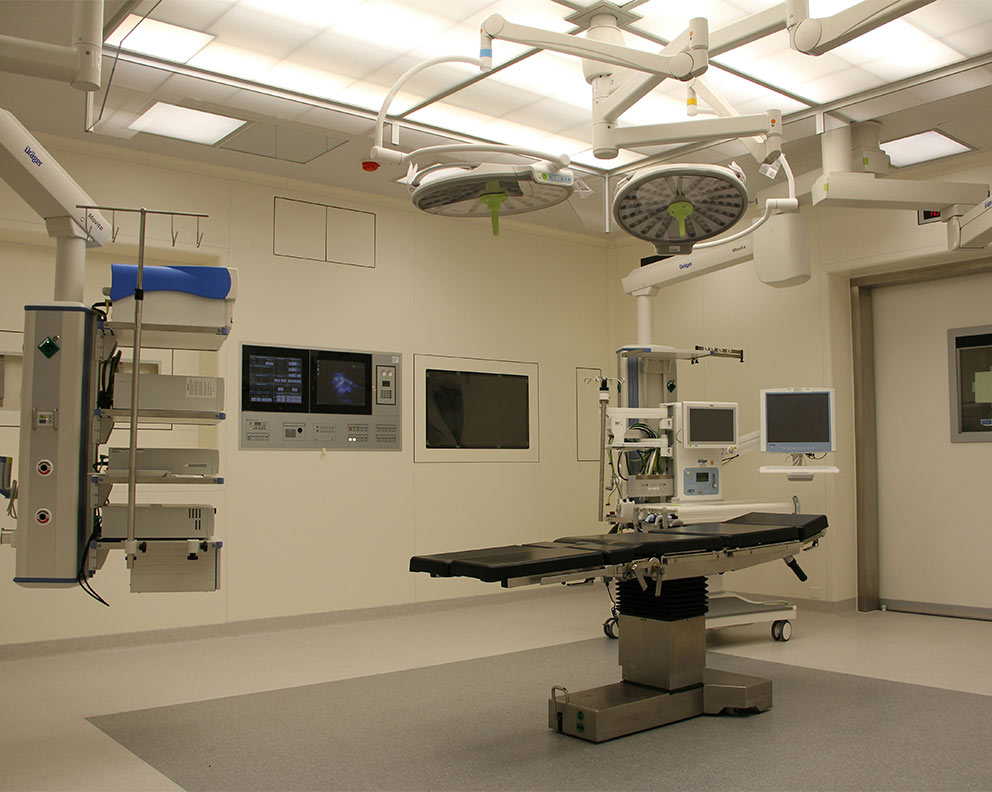
With lab locations across the United States, Axis provides the necessary simulated operating environment needed to advance pain management devices in a competitive and highly regulated market.
The Future of Pain Management Devices in the U.S.
The rapid growth of the pain management device market reflects a fundamental shift in how pain is treated in the United States. High chronic pain prevalence, opioid reduction efforts, aging demographics, and technological innovation are converging to make device-based therapies a cornerstone of modern pain care.
For companies developing these technologies, success depends on strong research, validated performance, and regulatory readiness. Axis Research and Technologies is proud to support the medical device companies that strive for the advancement of safer, more effective pain management devices that meet the evolving needs of patients and healthcare systems across the U.S.
About the Author
Michelle DePol is a trusted resource for healthcare educators and medical device companies seeking high-performance lab environments. With deep knowledge of the unique needs of surgical training, cadaver labs, and bioskills events, Michelle helps clients find the right solutions—on time and with zero hassle. Whether you’re planning a single session or a multi-city tour, she’s here to make sure your lab setup is the last thing you have to worry about.

Michelle DePol
Business Operations Manager