Why Hands-On Surgical Training Improves Patient Outcomes
Why Hands-On Surgical Training Improves Patient Outcomes
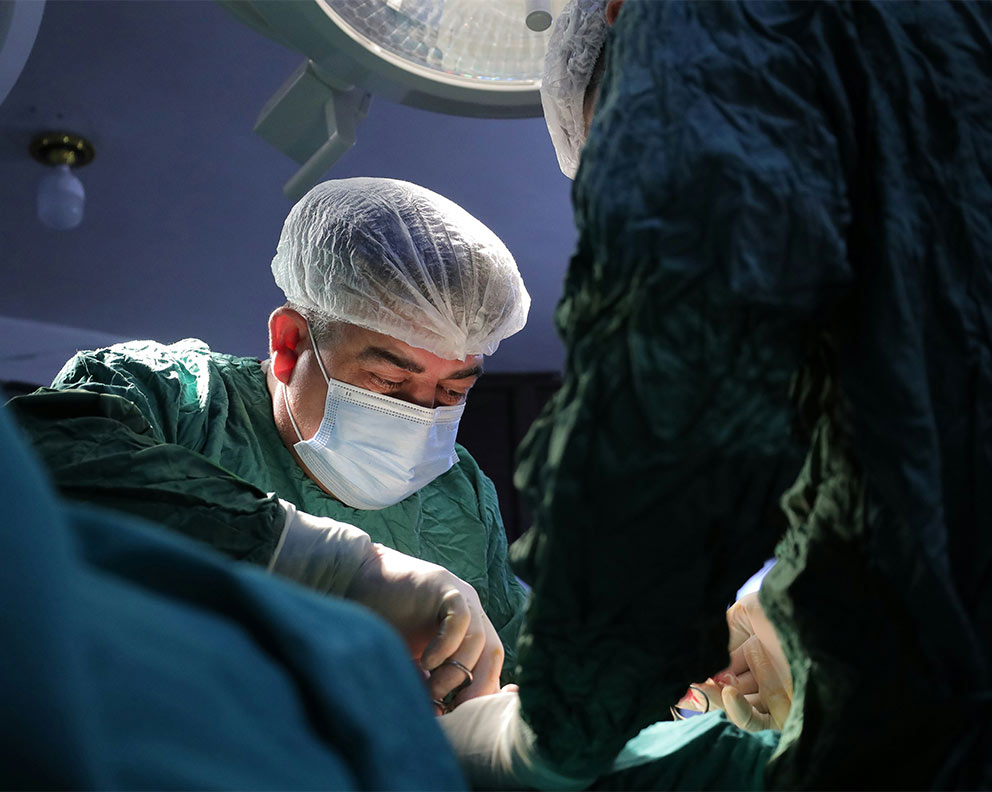
When it comes to healthcare, nothing matters more than patient safety and positive outcomes. Every surgery carries risks, but those risks can be significantly reduced when surgeons have access to the right training resources. While traditional learning methods like lectures, textbooks, and digital simulations lay the foundation, nothing prepares surgeons better than hands-on surgical training.
At Axis Research & Technologies, we provide advanced cadaver labs and bioskills training centers across the country that give medical professionals the opportunity to refine their skills in a real, tactile environment. This direct, hands-on training not only sharpens surgical techniques but also translates into safer procedures and improved patient outcomes.
The Link Between Training and Patient Safety
Every patient who enters an operating room puts their trust in the surgeon’s skill, decision-making, and experience. To honor that trust, surgeons must be prepared for more than just standard textbook cases—they need to be ready for unique anatomical variations, unexpected complications, and the pressure of high-stakes environments.
Hands-on surgical training is essential because it:
- Builds technical precision – Surgeons can practice techniques repeatedly, gaining confidence in their ability to perform procedures correctly and efficiently.
- Improves adaptability – Exposure to different anatomical structures in cadaver labs prepares surgeons for the variability they will see in real patients.
- Enhances decision-making under pressure – Practicing in realistic scenarios allows surgeons to build the mental resilience necessary for high-stress operations.
Simply put, the more prepared a surgeon is, the safer the patient becomes.
Why Cadaver Labs are the Gold Standard
Medical schools and training programs are rapidly incorporating technology like virtual reality (VR), augmented reality (AR), and synthetic models into their teaching methods. These tools are valuable, but they cannot fully replace the unique benefits of cadaver-based learning.
Cadaver labs remain the gold standard in surgical education because they offer:
- True-to-life anatomy – Cadaver training provides unparalleled exposure to human tissues, bones, and organ systems, all of which vary from person to person.
- Tactile experience – No simulator can replicate the feel of real human tissue, ligaments, or bone resistance.
- Safe practice environment – Surgeons can make mistakes, learn from them, and perfect their techniques without risking patient safety.
At Axis Research & Technologies, our state-of-the-art bioskills labs give medical professionals access to the realism they need to refine techniques before ever entering an operating room.
How Hands-On Training Improves Patient Outcomes
- Reduced Complications
Surgeons who have honed their skills in cadaver labs enter the operating room with greater precision and confidence. This reduces the likelihood of errors and complications during surgery. - Shorter Operating Times
Familiarity with procedures translates into efficiency. Hands-on training helps surgeons streamline their movements, which can lead to shorter surgeries—minimizing anesthesia time and lowering infection risks. - Improved Recovery Rates
Patients benefit from surgeons who perform procedures with accuracy. Precise surgical techniques often result in less tissue damage, faster recovery, and reduced post-operative pain. - Increased Confidence in New Techniques
As new medical devices and surgical innovations emerge, cadaver labs allow surgeons to practice with the latest tools before using them on patients. This ensures smoother adoption of new technology and safer patient care. - Better Team Collaboration
Hands-on training sessions often involve entire surgical teams. Practicing together enhances communication and coordination, leading to smoother operations and better outcomes.
Bridging the Gap Between Simulation and Reality
There’s no question that simulation technologies are improving surgical education. However, these methods work best when paired with cadaver labs. By combining the repetition and visualization of simulation with the realism of cadaver training, surgeons get a comprehensive learning experience that prepares them for real-world challenges.
At Axis Research & Technologies, we provide an environment where these complementary methods come together—where medical professionals can visualize anatomy with modern tools, then practice it hands-on in a realistic surgical setting.
Axis Research & Technologies: Supporting Surgeons and Patients
With facilities in Houston, TX; Irvine, CA; Nashville, TN; and Columbia, MD, Axis Research & Technologies is proud to partner with hospitals, universities, and medical device companies to improve surgical training nationwide.
Our cadaver labs and bioskills training centers are designed to:
- Offer realistic, safe environments for surgical practice.
- Support collaboration between surgeons, residents, and medical device innovators.
- Provide customized training sessions tailored to the needs of medical institutions and device manufacturers.
Every training session at Axis is focused on one goal: ensuring surgeons are prepared to deliver the best possible care to patients.
The Future of Surgical Education and Patient Care
Healthcare is advancing rapidly, and so is the demand for highly skilled surgeons. As procedures become more complex, the need for hands-on surgical training will only increase. By investing in cadaver labs and bioskills training, the medical community ensures that surgeons are not only prepared for today’s challenges but also ready to embrace tomorrow’s innovations.
At the end of the day, patient outcomes are what matter most. When surgeons are given the opportunity to practice, refine, and perfect their techniques before stepping into the operating room, patients reap the benefits in the form of safer procedures, faster recoveries, and better long-term results.
Final Thoughts
Hands-on surgical training is more than just an educational tool—it’s a direct investment in patient safety and healthcare quality. By practicing in cadaver labs and bioskills facilities, surgeons gain the skills, confidence, and adaptability needed to improve patient outcomes across the board.
At Axis Research & Technologies, we are committed to providing the training environments that make this possible. Together, we are not just preparing surgeons—we are protecting patients and shaping the future of medicine.
About the Author
Michelle DePol is a trusted resource for healthcare educators and medical device companies seeking high-performance lab environments. With deep knowledge of the unique needs of surgical training, cadaver labs, and bioskills events, Michelle helps clients find the right solutions—on time and with zero hassle. Whether you’re planning a single session or a multi-city tour, she’s here to make sure your lab setup is the last thing you have to worry about.

Michelle DePol
Business Operations Manager