
Why Cadaver Training in a Bioskills Lab Is Essential for Aesthetic Medicine Education
Why Cadaver Training in a Bioskills Lab Is Essential for Aesthetic Medicine Education
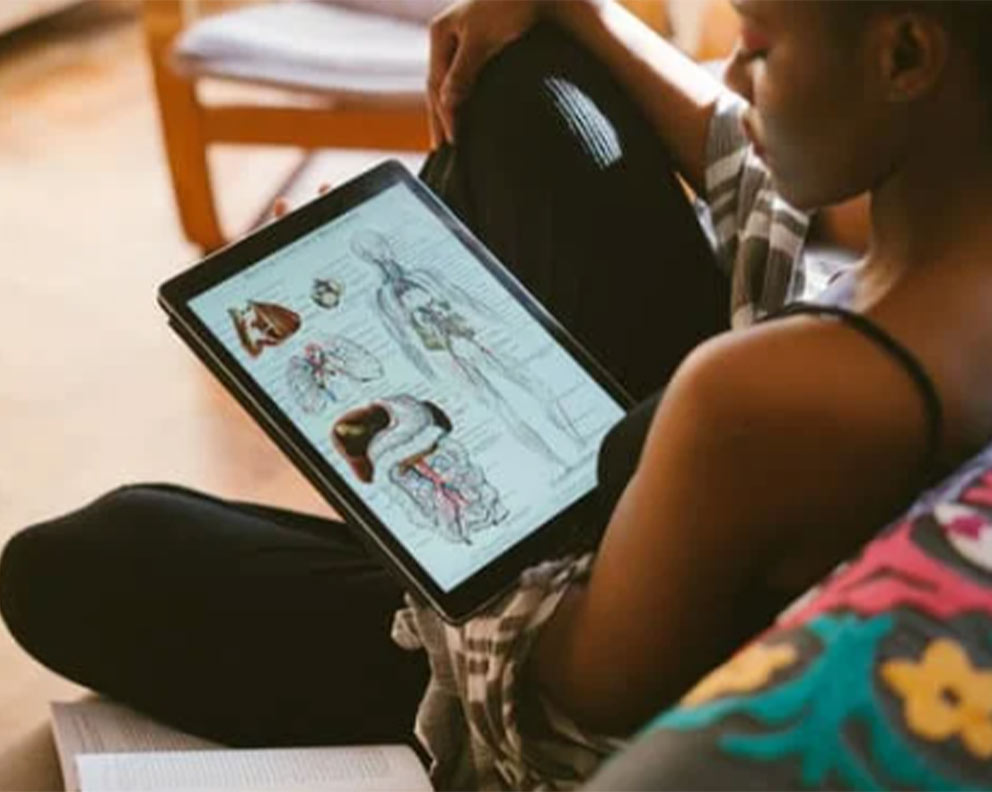
The field of aesthetic medicine continues to expand rapidly across the United States. With increasing demand for injectables, facial rejuvenation procedures, and minimally invasive cosmetic treatments, providers must have an advanced understanding of anatomy and procedural technique.
One of the most effective ways to strengthen this foundation is through cadaver-based training in a professional bioskills lab.
At Axis Research and Technologies, our bioskills lab facilities in Houston, Irvine, Nashville, and Columbia are designed to support high-level medical education. While cadaver specimens are not used to alter appearance or perform cosmetic enhancements, they play a critical role in helping clinicians understand anatomy, refine technique, and improve procedural safety in aesthetic medicine.
Below, we explore why cadaver training is such an important component of aesthetic education.
1. Advanced Anatomical Understanding for Aesthetic Providers
Aesthetic medicine requires a precise knowledge of facial anatomy. Providers performing injectable treatments or minimally invasive procedures must understand:
- Facial vascular pathways
- Nerve locations
- Fat compartments
- Tissue planes
- Depth relationships between skin, muscle, and bone
Textbooks and digital simulations provide foundational knowledge, but they cannot fully replicate the experience of studying real human anatomy in three dimensions.
Cadaver training in a bioskills lab allows clinicians to:
- Identify critical anatomical structures
- Observe natural anatomical variation
- Study high-risk areas in detail
- Develop spatial awareness of tissue layers
By deepening anatomical knowledge, providers can apply safer, more informed approaches in clinical practice.
2. Strengthening Patient Safety Through Anatomical Education
Patient safety is paramount in aesthetic medicine.
Complications such as vascular compromise, nerve injury, and tissue damage are rare but serious risks associated with injectable procedures. Many of these complications are directly related to insufficient anatomical understanding.
Cadaver-based education allows providers to:
- Map out danger zones in the face
- Study vascular structures in high-risk areas
- Practice proper instrument positioning
- Understand tissue depth and resistance
Because this training occurs in a controlled bioskills lab environment, clinicians can focus entirely on learning without the time pressures of a live patient setting.
At Axis Research and Technologies, our bioskills labs provide the professional infrastructure necessary to support safe, structured medical education programs focused on anatomical study and procedural best practices.
3. Realistic Tissue Experience Beyond Synthetic Models
Simulation models are valuable tools, but they cannot fully replicate real human tissue characteristics. Synthetic materials often lack:
- True tissue density
- Natural fascial planes
- Realistic resistance
- Anatomical variability
Cadaver specimens provide an opportunity for clinicians to experience authentic anatomical structure. This helps aesthetic providers better understand how instruments interact with tissue layers in actual clinical scenarios.
This realistic exposure builds a deeper level of confidence and technical precision that enhances patient care.
4. Education in Complication Awareness and Prevention
Understanding complications is just as important as understanding technique.
Cadaver-based training enables instructors to highlight:
- High-risk vascular regions
- Areas where filler misplacement can occur
- Depth-related risks
- Anatomical pathways that could contribute to adverse events
By visually studying these structures, clinicians gain a stronger awareness of how to avoid complications before they occur.
This type of anatomical education supports safer aesthetic practice and reinforces evidence-based standards of care.
5. Supporting Continuing Medical Education in Aesthetic Medicine
The aesthetic industry evolves quickly, with new products, devices, and procedural methodologies introduced regularly. Continuing medical education is essential for providers who want to stay current.
Professional bioskills labs serve as ideal environments for:
- Instructor-led anatomy workshops
- Procedural technique demonstrations
- Medical device education
- Hands-on continuing education courses
Because cadaver specimens allow for detailed anatomical study, educators can clearly demonstrate safe approaches and anatomical landmarks relevant to aesthetic procedures.
Axis Research and Technologies supports these educational initiatives by providing fully equipped bioskills lab facilities designed for physician and healthcare practitioner education and device training programs.
6. A Controlled and Ethical Learning Environment
Cadaver-based education must always be conducted with professionalism, compliance, and respect.
Professional bioskills labs adhere to strict ethical and safety standards regarding specimen handling and educational use. The environment allows providers to:
- Study anatomy at a deliberate pace
- Ask in-depth questions
- Collaborate with peers
- Observe procedural demonstrations carefully
Unlike clinical environments, there is no patient discomfort, scheduling pressure, or performance anxiety. This controlled setting fosters meaningful learning and skill development.
Axis Research and Technologies is committed to maintaining high standards for laboratory infrastructure, regulatory compliance, and respectful specimen management across all our lab locations.
7. Elevating the Standard of Aesthetic Education
As patient demand for cosmetic procedures increases, so does the importance of structured, anatomy-based training.
Cadaver education helps elevate the overall standard of aesthetic medicine by emphasizing:
- Detailed anatomical knowledge
- Evidence-based procedural technique
- Complication prevention
- Clinical confidence
Providers who pursue hands-on anatomical education demonstrate a commitment to patient safety and professional excellence.
Bioskills labs play a critical role in supporting this advancement by providing the appropriate setting for high-quality medical education programs.
Why Host Aesthetic Education Programs in a Professional Bioskills Lab?
When planning an anatomy-focused aesthetic training course, facility quality matters. A professional bioskills lab offers:
- Advanced ventilation systems
- Surgical lighting and procedure-ready stations
- Proper specimen storage and handling protocols
- Compliance with health and safety regulations
- On-site support staff
Axis Research and Technologies provides purpose-built bioskills lab facilities in Houston, Irvine, Nashville, and Columbia. Our labs are designed to accommodate physician education programs, medical device trainings, and anatomy-based courses across a variety of specialties, including aesthetic medicine.
Advancing Aesthetic Medicine Through Anatomical Mastery
In aesthetic medicine, strong anatomical knowledge directly correlates with better outcomes and improved patient safety.
Cadaver training in a bioskills lab provides a powerful educational tool for studying anatomy, refining technique, and reinforcing safe procedural practices.
For organizations and educators seeking a professional setting for anatomy-based aesthetic training, Axis Research and Technologies offers the infrastructure, expertise, and facility support necessary to host high-level educational programs.
To learn more about hosting your next aesthetic anatomy training or medical education course at one of our bioskills lab locations, contact Axis Research and Technologies today.