
Why Bioskills Labs Are Essential for Robotics Training in Modern Medicine
Why Bioskills Labs Are Essential for Robotics Training in Modern Medicine
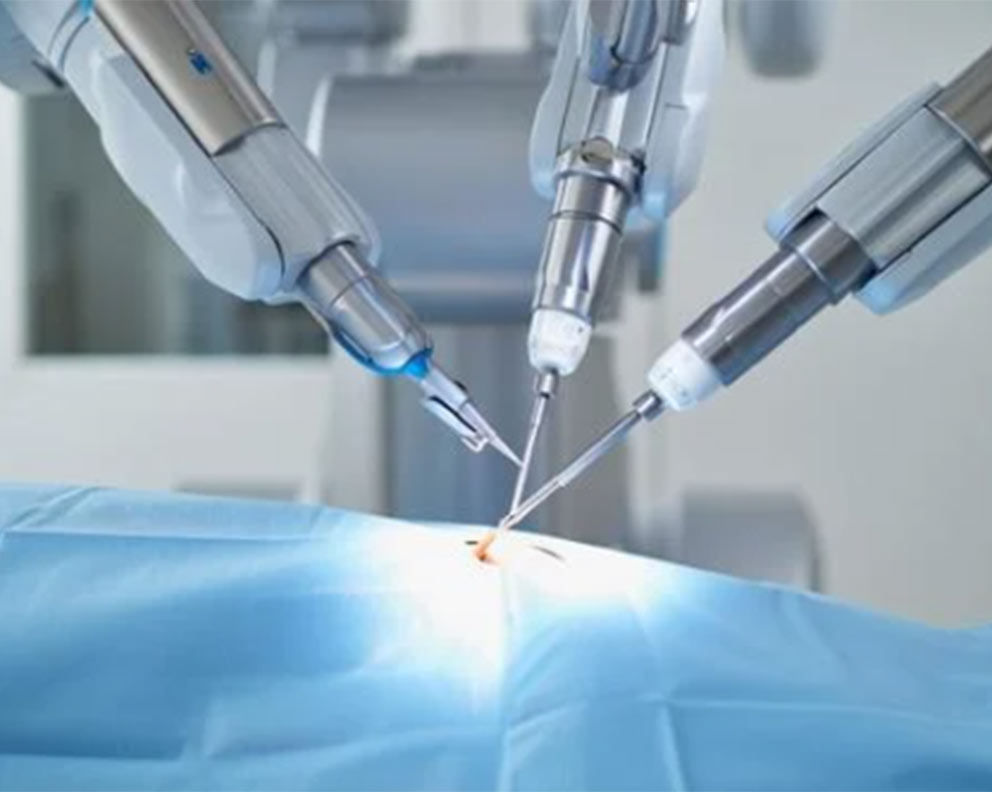
Robotic-assisted surgery has transformed the landscape of modern medicine. From minimally invasive procedures to complex, multi-quadrant operations, robotic platforms are now widely used across specialties including general surgery, urology, gynecology, cardiothoracic surgery, and more. As robotic technology continues to advance, the demand for high-quality, hands-on training environments has never been greater.
That’s where bioskills labs play a critical role.
At Axis Research and Technologies, our state-of-the-art bioskills laboratories provide the realistic, immersive training environments necessary for surgeons, medical device companies, and healthcare innovators to safely and effectively train on robotic systems. In this article, we explore why bioskills labs are essential for robotics training - and why they are the gold standard for procedural education and innovation.
The Growing Importance of Robotics in Surgery
Robotic-assisted surgery offers numerous advantages, including enhanced visualization, improved dexterity, greater precision, and reduced patient recovery times. However, these benefits depend heavily on the skill and proficiency of the operator. Unlike traditional open or laparoscopic surgery, robotic systems introduce:
- Console-based operation
- Advanced 3D visualization
- Articulating instruments with wristed motion
- Complex energy devices
- Team-based workflow coordination
Mastering these components requires more than virtual simulations or classroom-based instruction. It requires realistic, hands-on experience in a controlled environment - which is exactly what a bioskills lab provides.
What Is a Bioskills Lab?
A bioskills lab is a specialized training facility designed to simulate real surgical environments using ethically sourced human tissue. These labs allow medical professionals and device developers to practice surgical techniques, refine procedural workflows, and evaluate new technologies in conditions that closely mirror live surgery.
Unlike simulation-only environments, bioskills labs offer authentic anatomy, realistic tissue response, and true spatial orientation which are critical elements for robotics training.
Axis Research and Technologies operates advanced bioskills labs across multiple U.S. locations, supporting comprehensive surgical education and medical device development.
1. Realistic Anatomy and Tissue Feedback
One of the most significant advantages of bioskills labs for robotics training is access to authentic human anatomy. Robotic systems are designed to operate within complex anatomical structures, and subtle differences in tissue planes, vascular structures, and organ positioning can significantly affect procedural outcomes.
Virtual simulators are valuable for early skill development, but they cannot fully replicate:
- Natural tissue resistance
- Anatomical variation
- Realistic dissection planes
- True haptic feedback during instrument manipulation
In a bioskills lab, surgeons can experience how robotic instruments interact with real tissue, which improves muscle memory, precision, and confidence before operating on live patients.
2. Safe Environment for Skill Development
Patient safety is always the highest priority in healthcare. Bioskills labs provide a safe, risk-free setting for surgeons to:
- Learn new robotic platforms
- Transition from laparoscopic to robotic techniques
- Practice advanced procedures
- Refine suturing and dissection skills
- Develop comfort with console controls and instrument exchange
Because there is no risk to a live patient, participants can slow down, repeat steps, troubleshoot challenges, and gain proficiency without pressure. This environment accelerates learning while minimizing risk.
At Axis Research and Technologies, our labs are structured to replicate operating room workflows, helping surgical teams practice both technical and non-technical skills in a realistic setting.
3. Essential for Medical Device Development and Testing
Robotics training is not limited to surgeons. Medical device companies rely on bioskills labs to develop, test, and refine robotic instruments, accessories, and complementary technologies.
Before a device reaches clinical use, it must undergo rigorous evaluation. Bioskills labs provide an ideal environment for:
- Feasibility studies
- Procedural validation
- Human factors testing
- Physician feedback sessions
- Prototype iteration
Robotic devices must function seamlessly within anatomical constraints. Testing them in a bioskills lab allows engineers and clinical specialists to assess performance in realistic surgical scenarios.
Axis Research and Technologies supports collaborative sessions between surgeons, engineers, and product development teams to ensure innovation is both safe and effective.
4. Workflow Optimization and Team Training
Robotic surgery is a team effort. Beyond the console surgeon, robotic procedures involve assistants, scrub techs, anesthesiologists, and circulating nurses. Coordination and communication are essential.
Bioskills labs allow entire surgical teams to:
- Practice robotic docking and setup
- Optimize OR positioning
- Improve instrument exchange efficiency
- Rehearse complex case sequences
- Strengthen communication protocols
These team-based rehearsals are critical for reducing operative time and enhancing patient safety in real clinical settings.
By recreating operating room environments within our bioskills labs, Axis Research and Technologies enables comprehensive team training that goes beyond individual skill acquisition.
5. Bridging the Gap Between Simulation and Live Surgery
Simulation technology has improved significantly, and it plays an important role in foundational robotics training. However, there remains a clear gap between simulation and live surgery.
Bioskills labs serve as the bridge.
They allow surgeons to transition from basic simulator tasks - such as peg transfers and knot tying - to full procedural workflows on realistic anatomy. This progression builds confidence and ensures surgeons are prepared before performing robotic procedures in clinical practice.
For hospitals and training programs, incorporating bioskills lab experience into robotics credentialing pathways strengthens competency standards and promotes better patient outcomes.
6. Supporting Advanced and Specialized Procedures
As robotic surgery expands into increasingly complex and specialized procedures, the need for advanced training grows. Surgeons are now performing:
- Multi-quadrant abdominal surgeries
- Robotic microsurgical techniques
- Complex reconstructive procedures
- Novel hybrid approaches
Bioskills labs provide the environment necessary to practice these advanced techniques before clinical implementation. They also enable physicians to explore new procedural strategies and refine innovative approaches safely.
Axis Research and Technologies is committed to supporting advanced robotics education by offering flexible lab configurations, specialized equipment access, and expert logistical support.
7. Accelerating Innovation in Robotic Surgery
Innovation in robotic surgery moves quickly. New platforms, instruments, and energy devices are constantly being introduced to the market. Bioskills labs allow for:
- Early adoption training
- Comparative platform evaluations
- Investigator-led research
- Data collection for product development
By providing access to high-quality training environments, bioskills labs play a central role in advancing robotic surgical care.
At Axis Research and Technologies, we partner with healthcare professionals and industry leaders to facilitate innovation while maintaining strict standards of compliance, professionalism, and operational excellence.
Why Choose Axis Research and Technologies for Robotics Training?
Axis Research and Technologies offers modern, fully equipped bioskills labs designed to support robotic surgery training and medical device development. With multiple U.S. locations, we provide accessible, professional environments for surgical education across specialties.
Our facilities are designed to replicate real-world clinical settings, enabling immersive robotics training that enhances:
- Technical proficiency
- Team coordination
- Device validation
- Procedural innovation
We understand that effective robotics training requires precision, realism, and operational support. Our experienced team ensures that every lab session runs smoothly, allowing participants to focus entirely on advancing their skills and technologies.
The Future of Robotics Training Starts in the Bioskills Lab
Robotic-assisted surgery is redefining what is possible in medicine. However, the technology itself is only as effective as the training behind it. Bioskills labs provide the realism, safety, and collaborative environment necessary to develop true robotic proficiency.
For surgeons refining their skills, hospitals strengthening credentialing programs, and medical device companies pushing innovation forward, bioskills labs are not optional—they are essential.
Axis Research and Technologies is proud to support the future of robotic surgery through high-quality bioskills lab experiences that advance education, innovation, and patient safety.
About the Author
Michelle DePol is a trusted resource for healthcare educators and medical device companies seeking high-performance lab environments. With deep knowledge of the unique needs of surgical training, cadaver labs, and bioskills events, Michelle helps clients find the right solutions—on time and with zero hassle. Whether you’re planning a single session or a multi-city tour, she’s here to make sure your lab setup is the last thing you have to worry about.

Michelle DePol
Business Operations Manager